Who’s Checking on the Checkers? The Vital Importance of First Responder Wellness Checks
Published · Updated · 4 min read




Written by Beyond the Storm team
Licensed therapists in Blue Springs & Lee’s Summit, MO
First responders care for everyone else. Here’s why regular wellness checks matter for their mental health, families and careers.
Key takeaways
- Wellness checks proactively monitor first responders’ mental, physical and emotional well-being before problems become crises.
- Repeated exposure to suffering and life-or-death situations raises first responders’ risk of PTSD, depression and other conditions.
- Effective programs combine regular check-ins from trained supervisors and peers with access to confidential professional support.
- Supporting responders’ well-being also protects their families, colleagues and the communities they serve.
- Breaking the stigma means treating help-seeking as a sign of strength, not weakness.
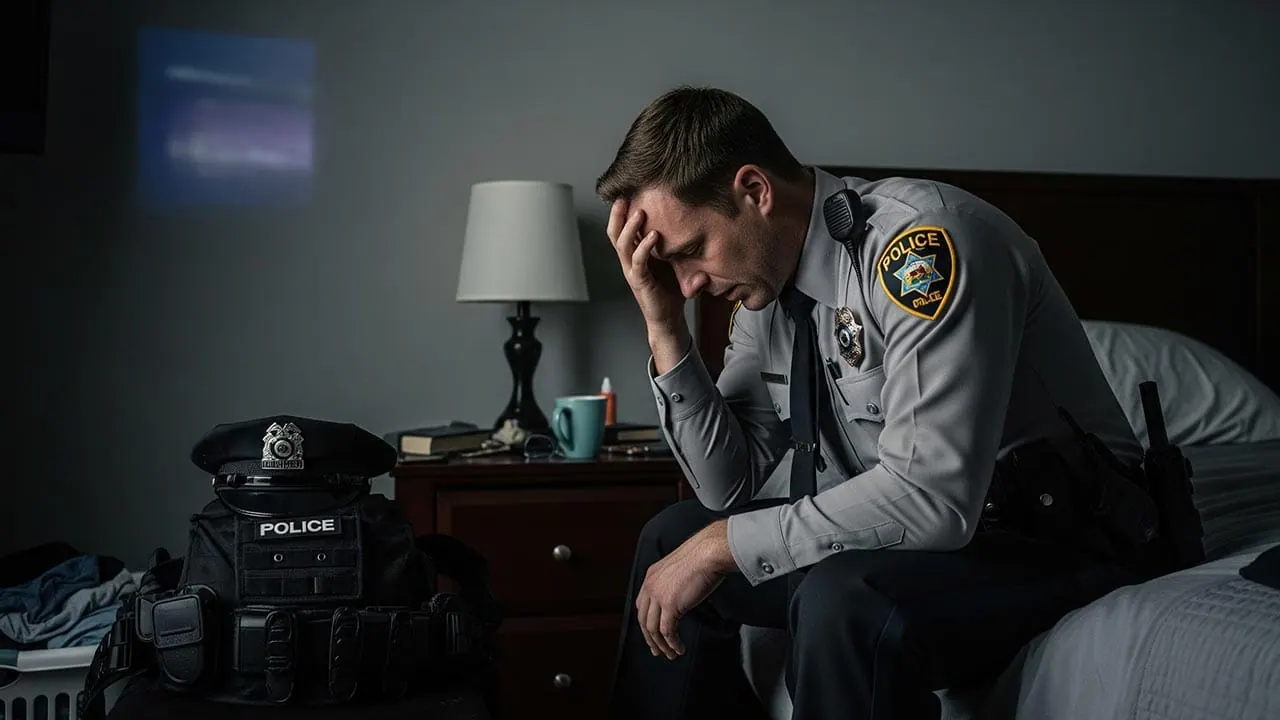
The piercing wail of the siren, the chaotic scene of an accident, the raw grief of a family in crisis – these are the daily realities for our first responders. Police officers, firefighters, paramedics, and dispatchers rush towards danger when everyone else is running away. They are the brave men and women who hold our communities together in times of need, often at a significant personal cost. But who is looking out for them? That’s where first responder wellness checks come in.
This crucial practice involves proactively monitoring the mental, physical, and emotional well-being of our frontline heroes. It’s about recognizing that these individuals are exposed to immense stress and trauma regularly, and providing them with the support they need to thrive both personally and professionally.
Think of it like this: a firefighter wouldn’t enter a burning building without their protective gear, right? Similarly, first responders shouldn’t face the daily fires of human suffering without the proper support to safeguard their well-being.
Why are first responder wellness checks so important?
First responders are exposed to a unique set of challenges that can take a heavy toll. They witness human suffering, deal with life-or-death situations, and work long, unpredictable hours, often in dangerous environments. This chronic exposure to trauma can lead to a range of mental health challenges, including:
Post-traumatic Stress Disorder (PTSD): Nightmares, flashbacks, and intense anxiety are common symptoms.
Depression: Feelings of hopelessness, fatigue, and loss of interest in activities.
Substance Abuse: Turning to alcohol or drugs to cope with stress and trauma.
Burnout: Emotional exhaustion, cynicism, and reduced professional efficacy.
Suicidal Ideation: Tragically, suicide rates are significantly higher among first responders than in the general population.
Ignoring these issues can have devastating consequences, not only for the individuals themselves but also for their families, colleagues, and the communities they serve.
How do wellness checks work?
First Responder Wellness checks can take many forms, and the most effective programs adopt a multi-faceted approach. Here are some key components:
Regular Check-ins: Supervisors and peers are trained to recognize warning signs and initiate conversations about mental health. These check-ins can be formal or informal, but the goal is to create a culture where it’s okay to not be okay.
Mental Health Screenings: Confidential screenings can help identify individuals who may be struggling and connect them with appropriate resources.
Access to Mental Health Professionals:First responders need access to therapists and counselors who understand the unique challenges of their profession. Confidentiality is paramount to encourage open communication.
Peer Support Programs: Connecting with colleagues who have shared similar experiences can be incredibly valuable. Peer support groups provide a safe space to talk, share coping strategies, and reduce feelings of isolation.
Promoting Healthy Lifestyle Choices: Encouraging physical fitness, healthy eating, and adequate sleep can significantly improve resilience and overall well-being.
Do wellness programs make a difference?
Many departments and organizations are already seeing the positive impact of proactive wellness checks. For example:
The San Francisco Police Department has a Behavioral Science Unit that offers officers confidential counseling, peer support and referrals to licensed mental health professionals.
The National Fallen Firefighters Foundation offers a range of resources and support programs for firefighters and their families, including online training, peer support networks, and behavioral health services.
What do first responders face on the job?
Consider the unique crucible our first responders endure. They are exposed to graphic scenes of suffering, violence, and death, not once, but repeatedly. They witness human vulnerability at its rawest, make split-second, life-or-death decisions, and carry the burden of immense responsibility. Long, unpredictable hours, shift work that disrupts natural rhythms, critical incident stress, and the constant threat of danger all contribute to a heightened state of vigilance and chronic physiological arousal. It’s a relentless cycle that can lead to a host of mental health challenges, including Post-Traumatic Stress Disorder (PTSD), depression, anxiety, substance abuse, and thoughts of suicide.
The culture within first responder communities, while fostering incredible camaraderie and strength, has historically sometimes created barriers to seeking help. A perceived need to be “strong,” to “suck it up,” or to fear professional repercussions can lead to a dangerous silence. This silence allows distress to fester, transforming manageable stress into debilitating mental health crises. Wellness checks are designed to break this silence. They are a declaration that it is okay to not be okay, and that seeking support is a sign of immense strength and self-awareness, not a failing.
Why invest in first responder wellness?
First responder wellness checks are not just a matter of compassion; they are an investment in the very people who keep us safe. By supporting their well-being, we ensure that they can continue to serve our communities effectively and return home safely to their loved ones.
It’s time to break the stigma surrounding mental health in the first responder community. We need to create a culture where seeking help is seen as a sign of strength, not weakness. Let’s ensure that those who dedicate their lives to protecting ours receive the care and support they deserve.
Remember: If you are a first responder struggling with your mental health, please reach out for help. You are not alone. There are resources available, and seeking support is a sign of courage, not weakness.
This article is for general education and isn’t a substitute for professional care. If you’re in crisis, call or text 988 any time.