Reclaiming Your Story: Understanding and Healing with Trauma-Focused Therapy
Published · Updated · 5 min read



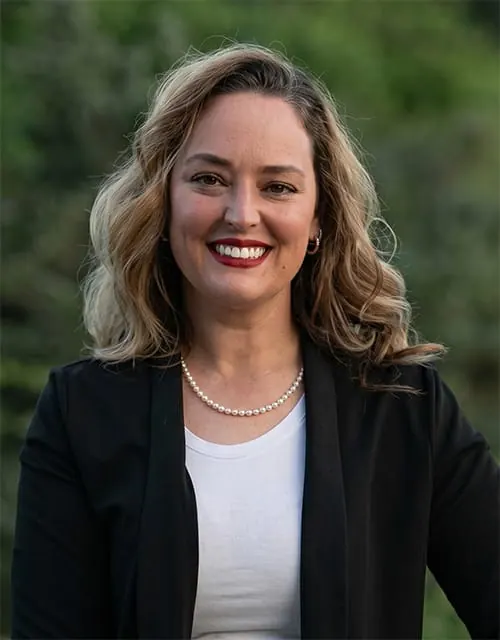
Written by Beyond the Storm team
Licensed therapists in Blue Springs & Lee’s Summit, MO
What trauma is, how it affects your mind and body, and how trauma-focused therapy helps you heal and move forward.

Key takeaways
- Trauma is a deeply distressing event that overwhelms your ability to cope, leaving you feeling helpless and unsafe.
- Common effects include intrusive memories or flashbacks, avoidance of reminders, and negative changes in thoughts and mood.
- Trauma-focused therapy starts with safety and stabilization, building coping skills before processing difficult memories.
- Evidence-based options include Cognitive Processing Therapy (CPT) and Prolonged Exposure (PE), tailored to your needs.
- Processing trauma can be emotionally challenging, but a trained therapist guides you at a pace that feels safe.
Life can be beautiful, but it can also be incredibly challenging. Sometimes, experiences happen that shake us to our core, leaving lasting emotional and psychological wounds. These experiences, often referred to as trauma, can significantly impact our lives, affecting our relationships, our work, and our overall well-being. If you or someone you love is struggling with the aftermath of trauma, know that healing is possible. This article explores trauma-focused therapy, a powerful and effective approach that can help individuals reclaim their stories and rebuild their lives.
This isn’t just another article about therapy. We’ll delve into the specifics of what trauma-focused therapy is, explore different evidence-based approaches, and, most importantly, highlight how it can make a real difference in the lives of those who have experienced trauma. We’ll also address common questions and concerns, offering a clear and compassionate guide to understanding this vital healing process.
What is trauma, and why does it need specialized therapy?
Trauma is more than just a difficult experience. It’s a deeply distressing or disturbing event that overwhelms an individual’s ability to cope, leaving them feeling helpless and unsafe. These events can range from single incidents, like a car accident or a violent crime, to prolonged or repeated experiences, such as childhood abuse or domestic violence.
The impact of trauma can be profound and long-lasting. It can lead to a range of symptoms, including:
Intrusive memories or flashbacks: Reliving the traumatic event as if it were happening again.
Avoidance: Staying away from places, people, or things that remind you of the trauma.
Negative thoughts and feelings: Experiencing persistent sadness, anxiety, guilt, or shame.
Hyperarousal: Feeling constantly on edge, easily startled, or having difficulty sleeping.
Difficulty regulating emotions: Experiencing intense mood swings or emotional outbursts.
While some people can recover from trauma on their own, many others need professional support. Trauma-focused therapy offers a safe and supportive space to process these experiences and develop healthy coping mechanisms.
How does trauma-focused therapy work?
Trauma-focused therapy isn’t a one-size-fits-all approach. Therapists tailor their treatment to the individual’s specific needs and experiences. However, most trauma-focused therapies share some common elements:
Safety and Stabilization: Creating a safe and supportive therapeutic relationship is crucial. The therapist helps the individual develop coping skills to manage difficult emotions and stabilize their nervous system.
Processing the Trauma: This involves gradually and safely exploring the traumatic memories and associated emotions. This can be done through various techniques, such as talking about the experience, writing about it, or using imaginal exposure.
Cognitive Restructuring: Trauma can lead to negative and distorted thoughts about oneself, others, and the world. Therapists help individuals identify and challenge these negative thought patterns, replacing them with more balanced and realistic ones.
Building Coping Skills: Trauma-focused therapy equips individuals with a range of coping skills to manage stress, regulate emotions, and build resilience.
Reconnecting with Life: As individuals heal from trauma, they can begin to reconnect with their lives, rebuild relationships, and pursue their goals.
What types of trauma-focused therapy are there?
Several evidence-based trauma-focused therapies have been developed, including:
Cognitive Processing Therapy (CPT): Helps individuals challenge and change negative thoughts and beliefs related to the trauma.
Prolonged Exposure (PE): Involves gradually exposing individuals to trauma-related stimuli in a safe and controlled environment to reduce fear and avoidance.
Eye Movement Desensitization and Reprocessing (EMDR): Uses bilateral stimulation (often eye movements) while processing traumatic memories to reduce their emotional impact.
Trauma-Focused Cognitive Behavioral Therapy (TF-CBT): A specific therapy designed for children and adolescents who have experienced trauma.
Why choose trauma-focused therapy?
Trauma-focused therapy offers a path to healing and recovery for individuals who have experienced trauma. It can help them:
Reduce distressing symptoms: Decrease the frequency and intensity of flashbacks, nightmares, and emotional distress.
Improve emotional regulation: Develop skills to manage difficult emotions and reduce emotional reactivity.
Challenge negative thoughts: Identify and change negative thought patterns that contribute to feelings of shame, guilt, and worthlessness.
Enhance relationships: Improve communication skills and rebuild trust in relationships.
Increase self-esteem and confidence: Develop a stronger sense of self and build resilience.
Reclaim their lives: Return to work, school, and other activities that bring meaning and joy.
A real-world example
Imagine someone who experienced a car accident. They might have flashbacks, avoid driving, and feel anxious and on edge. Through trauma-focused therapy, they could process the traumatic memories, challenge their fear of driving, and develop coping mechanisms to manage their anxiety. Over time, they could gradually return to driving and regain their sense of control.
What are common concerns about trauma therapy?
Is it painful to talk about trauma? Yes, processing trauma can be emotionally challenging. However, therapists are trained to guide individuals through this process at a pace that feels safe and manageable.
How long does trauma-focused therapy last? The length of therapy varies depending on the individual’s needs and the severity of the trauma. Some people may benefit from short-term therapy, while others may need longer-term support.
Is trauma-focused therapy effective? Yes, numerous studies have shown that trauma-focused therapies are highly effective in reducing symptoms and improving functioning.
Why does safety come first?
One of the foundational principles of trauma-focused therapy is creating a safe and supportive environment. This isn’t just a clinical formality; it’s the bedrock upon which all healing is built. Imagine trying to talk about the most terrifying moments of your life in a space where you feel judged, rushed, or misunderstood. It’s impossible. Our therapists at Beyond the Storm are committed to fostering an atmosphere of profound empathy, non-judgment, and unconditional acceptance. We move at your pace, respecting your boundaries and ensuring you feel empowered throughout the process. This safety allows you to slowly, cautiously, begin to unpack the burden you’ve been carrying.
Can you grow after trauma?
Beyond addressing the immediate impacts of trauma, trauma-focused therapy also focuses on building resilience and fostering post-traumatic growth. It’s not just about reducing symptoms; it’s about cultivating inner strength, developing healthier coping mechanisms, and rediscovering a sense of purpose and meaning. We help you learn emotional regulation skills to manage intense feelings, improve interpersonal effectiveness to navigate relationships, and enhance mindfulness to stay grounded in the present. These skills are not merely bandages; they are tools for building a richer, more fulfilling life.
Seeking Trauma-Focused Therapy is an act of profound courage. It acknowledges that the pain is real, and that healing is not only possible but deserved. It is a commitment to yourself, to dismantling the chains of the past and stepping into a future where you are not defined by what happened to you, but by your strength, your resilience, and your capacity for joy. At Beyond the Storm Behavioral Health, we walk alongside you on this journey, offering a steady hand and unwavering support as you reclaim your story, one brave step at a time. Your storm may have been fierce, but your capacity to heal is even stronger.
How do you begin healing from trauma?
Healing from trauma is a journey, not a destination. It takes courage, resilience, and the support of a skilled therapist. If you or someone you love is struggling with the aftermath of trauma, know that help is available. Trauma-focused therapy offers a powerful path to reclaiming your story, rebuilding your life, and finding hope and healing. You don’t have to carry the burden of trauma alone.
This article is for general education and isn’t a substitute for professional care. If you’re in crisis, call or text 988 any time.